What this energy renovation teaches us about sustainable building and future-proof living
From outdated homes to future-oriented living
The Genk neighbourhood of Nieuw Texas, built in the 1990s, carried the quiet legacy of its time: moderate insulation, outdated technical installations, and energy costs that weighed more heavily on residents year after year. To change this, Wonen in Limburg, together with a network of committed partners, chose not to pursue a standard renovation, but an inspiring pilot project instead. A renovation that not only renews walls and installations, but also sketches a vision of the future in which affordability, comfort, and care for our living environment go hand in hand.
The central challenge was clear and ambitious: to make the homes significantly more energy-efficient, without compromising living quality in any way. A delicate balancing act where technology, creativity, and care come together. It is demonstrating how sustainable choices not only transform buildings, but also improve the daily lives of the people who call them home.
Smart interventions in the building envelope and systems
The energy renovation of Nieuw Texas started from a broad, people-centred perspective: how can energy consumption be reduced while simultaneously enhancing living comfort? The solution lay in a series of well-considered interventions to both the building envelope and the technical systems.
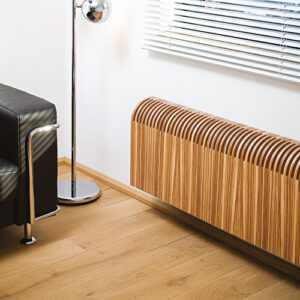
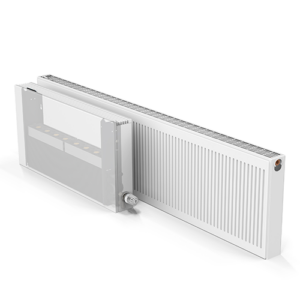
The homes were fitted with new façade insulation and exterior finishes, while the building services were also thoroughly upgraded. A low-temperature heating system combined with fan coil units ensures high comfort with low energy consumption. Both heating and cooling are delivered through the same units: Jaga Briza 12 and Jaga Strada Hybrid. Thanks to this integrated approach, the homes not only use less energy, but are also ready for renewable energy sources.
A neighbourhood as an energy system
What truly sets Nieuw Texas apart is the scale of thinking behind the project. Not home by home, but the entire neighborhood conceived as a single, living energy system. it’s a place where individual choices reinforce one another, and where technology, architecture, and collaboration form a sustainable cycle.
By collectively preparing the homes for smart energy technologies, the neighborhood can grow in a future-oriented way. The renovation demonstrates how communities become stronger when they pursue collective energy solutions and join forces to invest in systems that deliver greater long-term value.
In this way, the project sets a new benchmark for sustainable renovation. The combination of innovative energy technologies, thoughtful architecture, and renewable energy sources positions Nieuw Texas as a leading example within the (circular) construction sector.
Residents at the centre of the project
One of the key challenges was integrating modern technologies into existing building structures without compromising aesthetics or functionality. Jaga’s flexible and compact indoor climate solutions ensure that technology never feels intrusive, but instead blends seamlessly into everyday life.
Today, residents benefit not only from lower energy consumption, but also from a more comfortable and healthier indoor climate. A home that breathes with the seasons, bringing calm during warm months and warmth during colder periods, while respecting both people and the environment.
Conclusion
The energy renovation of Nieuw Texas shows that an existing neighbourhood does not have to remain bound by the limitations of the era in which it was built. With care, imagination, and technical innovation, a community can gain a second, sustainable life. Through smart choices, a well-considered approach, and close collaboration between construction partners, it is already possible to lay the foundations today for the way we will live tomorrow. And that is exactly what sustainable renovation means.
Why is it important to think long-term when renovating?
By choosing sustainable materials and technologies, you create a home that will still be energy-efficient and comfortable in 10 or 20 years. Long-term choices reduce future costs, enhance living comfort, and contribute responsibly to a healthy living environment.
Why would you choose a single system that can both heat and cool?
An integrated system, such as combined heating and cooling with fan coil units, saves space, works more efficiently, and creates a more stable indoor climate. It increases comfort, reduces energy consumption, and fits seamlessly into a future-oriented renovation concept.
Why is it important to combine different energy measures?
Insulation, ventilation, heating, and cooling reinforce one another. If one element is weak or outdated, it reduces the impact of the other improvements. By combining measures, you get the most out of your energy renovation and increase both the comfort and sustainability of your home.
What role do innovative technologies like those used in Nieuw Texas play?
Smart low-temperature systems and compact fancoil units make it possible to deliver comfort with very low energy consumption. They integrate into existing structures without compromising aesthetics and support future solutions such as renewable energy sources.
How does this information help with your own renovation?
It translates the experiences from Nieuw Texas into concrete, practical insights:
Think beyond today.
Choose systems that combine multiple functions.
Make sure all energy measures reinforce one another.
Put occupant comfort—your comfort—at the centre.
Build towards a future where technology, creativity, and care for the planet work seamlessly together.